More manufacturers in this year’s survey are bringing production back to the U.S. If you’re preparing to build there too, start with the people. The building matters. So does who’ll be ready to run it.
The 2026 USA Reshoring Survey, conducted by the Reshoring Initiative and Regions Recruiting, polled 249 manufacturers: 118 original equipment manufacturers and 131 contract manufacturers. Among OEM respondents, 36% had reshored production or were actively doing so, up from 29% in 2025. That’s a survey finding, not a count of every American manufacturer.
The hiring figure is the one European executives should keep beside it. SupplyChainBrain reports that 66% of survey respondents described hiring technicians as very difficult or at crisis levels. This is the combined OEM and contract-manufacturer group, not OEMs alone. The primary report labels the hiring question Q74 and explicitly combines both groups. Welders and machinists are among the roles discussed in the coverage.
A European investment is not the same thing as an American company reshoring. But both recruit in the same local labor markets. Your opening date will depend on more than construction and equipment delivery. A thin technical team can leave a finished building waiting to become a working operation.
Make the U.S. general manager and the first technical hires an early workstream, while the site is still being selected. Define what they’ll need to own, which skills must be available locally and which can be developed through training. Someone on the ground early can test assumptions with candidates, colleges and service partners before those assumptions become expensive commitments.
Let the talent pool help choose the location. Put technical colleges, community colleges and universities on the same scorecard as logistics and incentives. Ask about the actual programs, the available graduates and the employers already competing for them. A campus nearby is useful only if there’s a practical path from that institution to your production floor.
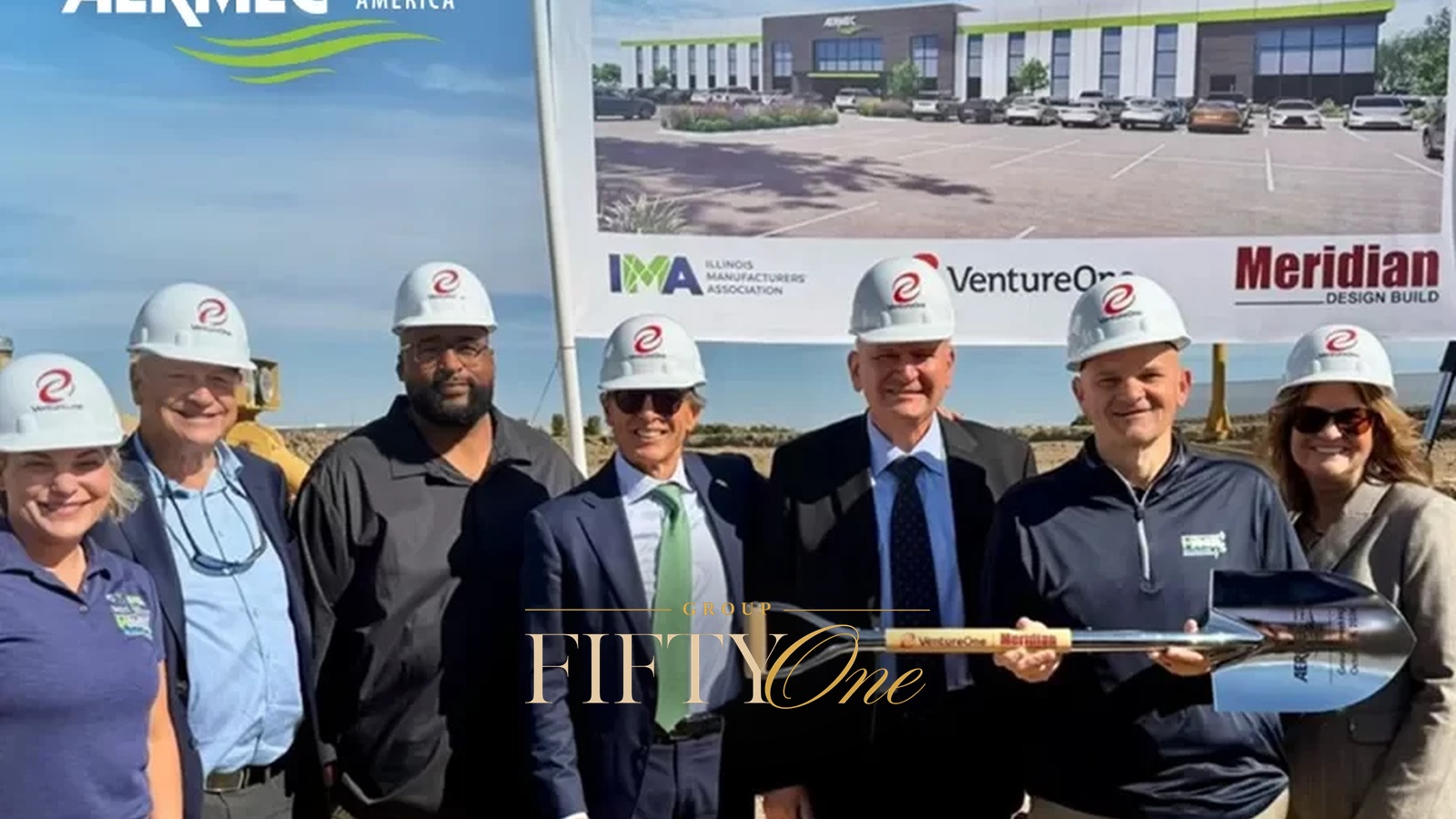
Aermec’s DeKalb decision is a useful companion example. Local officials pointed to Northern Illinois University and Kishwaukee College alongside highway and rail access. That doesn’t prove the hiring is already solved. It shows why workforce belongs in the location conversation from the beginning.
European companies with a real apprenticeship and in-house training culture have something concrete to offer candidates. Make it visible: who trains new hires, which skills they’ll learn, how progress is assessed and what the next role can be. A structured route from apprentice to technician can be a reason to choose your company. Don’t assume the model transfers unchanged; adapt it with local partners.
American employers already use training. The survey identifies trade schools, community colleges and internal upskilling as their leading channels. So the opportunity isn’t to claim Europe invented development. It’s to turn your own training experience into a credible local offer, rather than another vague promise of career growth.
If you’re planning U.S. production, put the hiring plan beside the site plan now. Name the first leader, map the technical roles and meet the training partners before the location is locked. You’re not just choosing where the equipment goes. You’re choosing where a team can make it work.
Sources: SupplyChainBrain, October 5, 2026, 2026 USA Reshoring Survey, primary report, Exhibit 14 / Q74.
Cover: NASA / Michoud Assembly Facility, welding inside an SLS fuel tank. Public-domain archival photograph, illustrative, not a survey participant or an Aermec site. NASA / Wikimedia Commons.
“The hiring plan belongs beside the site plan, not after it.”